Article content
1. Introduction
The restaurant business environment is becoming increasingly competitive, as evidenced by the strategic actions of restaurants (Abishov et al., 2024; Samadovich et al., 2021). Restaurants must constantly change their strategies regarding products, services, pricing, and customer attraction policies in a highly competitive environment (Rachmawati et al., 2025). As the business environment becomes more competitive, it is crucial to develop strategies that enhance competitive advantage (Sun & Lee, 2021). To increase the competitive advantage, restaurant businesses are proactively seeking and embracing new trends in the current business environment (Hrosul et al., 2020).
By 2025, Vietnam is expected to record its highest-ever number of international visitors (with Ho Chi Minh City estimated at 8.5 million), creating a significant additional customer base for restaurants. The GDP of the accommodation and food service sector in 2025 is projected to increase by 10.02% compared to 2024 and contribute 3.34% to the overall growth (General Statistics Office, 2026). In particular, the context of accelerated integration and development in Ho Chi Minh City has led to extremely fierce competition in the restaurant industry. This demonstrates the importance of food services in general and the restaurant industry in particular in the economic and social development of the city.
Therefore, understanding the competitive advantage of the restaurant industry is crucial and a vital factor for investors (Zhigulin et al., 2022). Restaurants lacking competitive advantage easily face bankruptcy (Hrosul et al., 2020). Competitive advantage helps restaurants create unique differentiations to attract a larger customer base and achieve superior financial performance (Tang & Chin, 2024). Furthermore, it helps build a strong brand reputation, thereby fostering customer trust and loyalty, enhancing adaptability and talent attraction, and providing a foundation for proactive strategic planning (Alonso-Almeida et al., 2015).
Competitive advantage plays a crucial role in guiding development towards comprehensive and deep international integration and digital-green transformation, maximizing resources and closely combining national strength with the strength of the times for rapid and sustainable development (Communist Party of Vietnam, 2021). However, in Vietnam in general and Ho Chi Minh City in particular, there are very few studies on the competitive advantage of the restaurant industry, despite its significant contributions to the economy. Recent global research trends on this issue focus heavily on innovation, digital transformation, "green" business strategies, and sustainability, but have not yet focused on the connection between core elements and the external environment.
Therefore, this study will fill the research gap by systematizing the factors affecting the competitive advantage of the restaurant industry through semi-structured in-depth interviews with 14 industry experts. New findings on culture and the young population in business strategy development, and the support of the state and reputable organizations, contribute significantly to promoting the competitive advantage. These findings help to further (1) systematize the factors affecting the competitive advantage of the restaurant industry and (2) provide management implications for restaurant businesses in Ho Chi Minh City during the period of accelerated integration and development.
2. Literature review
2.1. Theories of competitive advantages
One of the first premises regarding competitive advantage that must be mentioned is Porter's (1985) five forces model, which studies the factors of (1) industry competitors; (2) suppliers; (3) customers; (4) substitute products; and (5) potential competitors. This model was the foundation for developing the competitive advantage of businesses at the end of the 20th century. However, this model also faced criticism for being too focused on external factors and not fully exploiting the potential of the business.
Also, at the end of the 20th century, resource-based view (RBV) theory began to emerge and served as the foundation for developing competitive advantage for businesses. Wernerfelt's (1984) view of resources defined resources as anything that could be considered a strength or weakness of a business, including tangible and intangible assets that are semi-permanently tied to the company. Based on this perspective, Barney (1991) expanded the concept to include all assets, capabilities, organizational processes, information, and knowledge controlled by the firm. From this, Barney's VRIN model emerged, considering the aspects of value, rarity, inimitability, and non-substitutability as internal factors of the firm that need to be leveraged to enhance the competitive advantage. By 1995, Barney further refined the non-substitutability factor into the organizational capability VRIO.
The Thompson & Strickland III (Osman, 2001) model of competitive theory identifies 13 internal factors including: production technology level, human resources, financial capacity of the enterprise, price the competitive advantage, corporate culture, export organization capacity, market research capacity, image and reputation (corporate reputation), customer and partner acquisition capacity, production organization capacity, adaptability and change management capacity, international payment capacity, and commercial dispute resolution capacity, all of which focus on the internal factors of the enterprise to enhance competitive capacity. However, while these models compensate for shortcomings in Porter's model, they only focus on the internal factors of the enterprise.
Furthermore, competitiveness is influenced by the institutional environment of the business landscape. Meyer and Rowan (1997) emphasize that organizations often adopt a common template to achieve legitimacy and ensure survival; they tend to become alike in order to be perceived as valid and modern. Organizations that integrate socially accepted institutional elements into their structures maximize their legitimacy, thereby enhancing their resources and long-term viability (DiMaggio & Powell, 1983). This perspective views institutions as independent variables that directly impact corporate strategy and performance (Peng et al., 2009). Distinct national institutional systems give rise to specific types of competitive advantages, most notably innovation and entrepreneurial capacity (Fainshmidt et al., 2018).
Theories of the competitive advantage are constantly evolving and being updated to better suit the times. Initially, they focused solely on external factors, then shifted to internal factors. However, each theory only addresses one aspect of a business, either internal or external. Meanwhile, service industries like restaurants concentrate on both the tangible value and intangible one. Hence, it is necessary for the restaurant industry to possess a more flexible approach to achieve its competitive advantage, especially by combining both internal and external factors.
2.2. Research status on competitive advantage in the restaurant industry
Optimizing resource management systems
A restaurant's core competitive advantage is demonstrated through its ability to optimize costs or create differentiation to achieve profits exceeding the industry average (Porter, 1985). To achieve this position, businesses need to conduct periodic SWOT analyses to identify market opportunities and overcome internal limitations (Sari et al., 2024; Hamdi, 2020). Competitive advantage also depends on the ability to seamlessly integrate tangible and intangible resources according to the VRIN standard – value, rarity, inimitable, and irreplaceable (Barney, 1991; Hernandez-Maskivker et al., 2026).
Digital transformation in marketing
In the technological era, mastering digital marketing tools such as social media, online advertising, and digital branding is essential for maintaining market presence (Singh et al., 2024; Li et al., 2019). Online reviews now serve as a crucial data channel for businesses to self-assess and improve their quality compared to competitors (Wang et al., 2017; Movahed, 2018). In particular, integrating artificial intelligence (AI) and digital service concepts helps businesses achieve sustainable growth and create a dominant competitive advantage (Loh et al., 2025; Tsviliy et al., 2021).
Enhancing customer experience
Customer experience and satisfaction are considered the most practical measure of the competitive advantage; Only when customers are satisfied can businesses create lasting loyalty (Wu et al., 2024; Gorynina et al., 2017). Direct influencing factors include consistent food quality, creative themed menus, and modern packaging design (Hamdi, 2020; Hrosul et al., 2020). Additionally, adding amenities such as comfortable spaces, Wi-Fi service, or using organic food also helps restaurants create a unique selling point (Purnamasari et al., 2022; Lu & Gursoy, 2017).
Organizational culture
A highly qualified and professionally skilled workforce is the most valuable asset, determining the stability of service quality (Mashika et al., 2021). Leadership and seamless coordination between departments not only enhance operational efficiency but also create a socially responsible corporate image (Samadovich et al., 2021; Panghulan, 2021). Non-price competitive strategies, such as thorough employee training, help restaurants outperform competitors who focus solely on price reductions (Santalova et al., 2021). Furthermore, building a strong internal orientation (IMO) makes the organization more resilient to market fluctuations (Yusr et al., 2018).
Business strategy innovation
Innovation is considered the "key" to overcoming fierce competitive pressure, including product improvement and changes in market approach strategies (Rachmawati et al., 2025; Onwuegbule et al., 2025). Modern management trends are shifting towards a holistic, people-centered approach, combined with environmentally sustainable practices to attract socially conscious customers (Zhigulin et al., 2022; Tang & Chin, 2024). Furthermore, maintaining good relationships with stakeholders such as suppliers and the community not only helps mitigate operational risks but also acts as a "glue" to maintain long-term competitive advantage (Skudiene et al., 2021; McGahan, 2023). Furthermore, the adoption of a franchise model is considered a strategic move to minimize pressure from competitors and strengthen brand power (Sun & Lee, 2021). Finally, the explosion of online food delivery services has also changed the operational structure, forcing restaurants to optimize multi-channel operations to reach customers more effectively (Salma & Rachmawati, 2022; Andriy et al., 2025).
2.3. The context for accelerated integration and development
Integration is the process of reducing barriers to the movement of goods, services, capital, and people between countries, aiming to promote efficiency and growth (Schiff & Winters, 2003). Development is "the process of expanding the substantive freedoms enjoyed by people," including economic freedom, social opportunity, and transparency (Sen, 1999). Thus, integration is the method, and development is the goal. Integration helps a country access capital, technology, and markets, thereby accelerating the process of industrialization and modernization. Conversely, the level of internal development determines a country's adaptability and position in the global value chain (Stiglitz, 2002).
In the context of accelerated integration and development in Vietnam today, we can clearly see the state's orientations. "Integration and Development" is concretized into a comprehensive legal strategy. Resolution No. 22-NQ/TW (2013) of the Politburo is a constitutional document establishing the principle of "proactiveness and positivity" in integration. Currently (2021–2026), in the spirit of the 13th and 14th National Congresses of the Communist Party of Vietnam, integration has shifted from "breadth" to "depth," linked to the improvement of the legal system according to international standards while maintaining independence and self-reliance (Communist Party of Vietnam, 2021).
The restaurant industry in Ho Chi Minh City is also undergoing changes compared to previous periods to keep pace with integration and development. Instead of focusing on securing a prime business location, a diverse menu, and maximizing the number of customers served, the focus has shifted to personalizing the customer experience (Thang et al., 2026). Professionalization is also gradually becoming more focused on enhancing the value of the restaurant industry compared to other countries (Hau and Thang, 2019). In addition, technological elements are being applied more strongly in the management and operation of the system (Phuong, 2020).
2.4. Analysis framework
Based on the theoretical framework of the competitive advantage and previous studies in the restaurant industry, authors construct an analytical framework to closely adhere to the stated objectives. The aim is to identify the factors influencing the competitive advantage of the restaurant industry in Ho Chi Minh City in the context of accelerated integration and development. From this, authors develop a theory of competitive advantage for the restaurant industry in Ho Chi Minh City in the current context.
3. Methodology
This research adopts a qualitative approach because qualitative research possesses the core strength of being able to approach social phenomena in a natural context, where subjects actually experience the issue rather than in an experimental environment (Creswell, 2014). In this process, the researcher acts as the primary data collector, directly observing behavior or interacting with respondents through open tools instead of relying on pre-defined questionnaires (Miles & Huberman, 1994). The ability to create "thick descriptions" helps researchers capture the complexity and multi-layered meanings that participants assign to their experiences (Stake, 1995).
3.1. Semi-structured in-depth interview method
In data collection techniques, semi-structured interviews stand out as a guided conversation, allowing for a balance between a scientific framework and flexibility in interaction (Yin, 2018). Conducting interviews in this way minimizes power imbalances and builds trust, thereby collecting more accurate and richer data (Kvale & Brinkmann, 2009). To ensure ethical research, the information of experts and their data are kept confidential and used only for research purposes.
3.2. Process
3.2.1. Sample selection
Sample size in qualitative research is not rigidly predetermined but depends on the research objective and the complexity of the phenomenon (Jill et al., 2010). For semi-structured interviews, researchers can start with a group of subjects with similar experiences to establish basic concepts, then proactively select samples with different or opposing characteristics (negative cases) to test the variability and limitations of the theory (Corbin & Strauss, 2014). The sample size is usually 12 interviews (Guest et al., 2006) or 10 interviews (Jill et al., 2010), after which the saturation principle is applied. Data collection is recorded with the consent of all respondents. Specifically, the interview panel consisted of 14 professionals working in the restaurant industry in Ho Chi Minh City, including 2 market research experts (E), 2 head chefs (C), 7 restaurant managers (M), 2 new restaurant opening & operations consultants (CO), and 1 restaurant chain founder (F). (see Appendix 1 online)
Through the interviews, the questions gradually became more focused and refined based on the analysis of previous interviews, aiming to gather in-depth information on specific concepts. The researcher also needed to be a keen listener, accepting silences and using open-ended questions to encourage subjects to reveal hidden meanings (Corbin & Strauss, 2014).
The underlying theory is a qualitative research method aimed at building a theory based on data systematically collected and analyzed during the research process (Glaser & Strauss, 1967). The fundamental characteristic of this method is the close correlation between data collection and analysis: researchers analyze data immediately after collection, and the concepts arising from the analysis guide subsequent data collection. This process takes place in a continuous cycle, using constant comparison to group similar data into categories, thereby developing their attributes and orientations until a complete theoretical structure is formed (Corbin & Strauss, 2014).
3.2.2. Data analysis
Data is aggregated until saturation is reached. Information saturation is the core criterion for ending the data collection process, achieved when further interviews no longer yield new concepts, topics, or attributes for the established categories (Saunders et al., 2018). Saturation is not simply the repetition of information but also requires that the theoretical categories be fully developed in all attributes and dimensions (Corbin & Strauss, 2014).
During the open coding phase, interview recordings were transcribed, capturing respondents' answers in detail. Key terms within the responses were noted to serve as a basis for identifying themes; these themes emerged entirely from the interview data rather than from preconceived assumptions.
Next, axial coding employed the constant comparative method, grouping first-level open codes into sub-themes and higher-level categories based on underlying relationships and shared characteristics. For instance, open codes such as products, services, infrastructure, and human resources were grouped under the category of quality.
In the final stage - selective coding - all categories were systematically consolidated around core overarching themes to construct a comprehensive theoretical framework. Relationships among internal capabilities (Resource-Based View - RBV), external factors (Institutional Theory, Five Forces Model), and strategic performance were clearly conceptualized to form the proposed research model.
These coding steps were carried out iteratively throughout the interview rounds to maximize information extraction, with data collection continuing until no new codes emerged. A total of four interview rounds were conducted before data saturation was reached.
4. Results
4.1. Factors of the competitive advantage in Ho Chi Minh City's restaurant industry in the context of accelerated integration and development
Through the interview stages, the authors discovered additional groups, which were coded in Appendix 3 (see Appendix 3 online). The results of this study in details are presented in Appendix 2 (see Appendix 2 online).
4.2. Discussion
The analysis revealed five groups of factors influencing the competitive advantage. First, quality-related factors comprise products, services, infrastructure, and human resources. Second, marketing-related factors include brand image, pricing, location, social media presence, and customer experience. Third, business strategy encompasses cultural lifestyle orientation, the demographic advantage of a young population, online food ordering, and partner relationships. Fourth, financial factors involve capital and cost management. Finally, the findings highlight the critical role of support from the government and reputable industry organizations in enhancing the link between business and financial strategies and competitive advantage in the restaurant industry.
Quality
Quality has a direct and positive impact on the competitive standing of restaurants establishments in Ho Chi Minh City, a metropolis characterized by deepening international integration and a high concentration of foreign tourists and professionals. Maintaining quality helps businesses retain loyal customers while generating organic word-of-mouth on review platforms. Analysis confirms that quality serves as the fundamental cornerstone enabling restaurants to clearly differentiate themselves from competitors within the same market segment.
This study confirms that the overall quality of the customer experience, including products, services, people, and the physical environment, is the most accurate measure of a restaurant's competitive advantage (Wu et al., 2024). Product and service quality is the top priority when considering any restaurant (Andriy et al., 2025). Product and service quality, including spatial design, is guaranteed to provide the best customer experience.
This aligns with the assertion that continuously improving food quality and innovating menus not only helps businesses identify competitors early but also builds a foundation for long-term competitive advantage (Onwuegbule et al., 2025). The diversification of themed menus, combined with consistent service quality and after-sales care, plays a crucial role in strengthening customer loyalty (Sari et al., 2024; Panghulan, 2021; Singh et al., 2024). Additionally, factors such as the use of organic ingredients or the provision of amenities like Wi-Fi and entertainment help restaurants differentiate themselves from competitors in the same segment (Lu & Gursoy, 2017; Purnamasari et al., 2022).
Achieving high-quality products and services requires building a high-quality workforce. These findings are consistent with previous studies on the role of a skilled and competent workforce as a core factor determining the success and stability of service quality (Mashika et al., 2021). Competitive advantage depends heavily on courteous attitudes, seamless coordination between departments, and effective leadership in a direct consumer-facing environment (Samadovich et al., 2021; Tang & Chin, 2024). Investing in well-structured training systems is considered a strategic non-price competitive method, enhancing the position of independent restaurants through intangible human capital (Santalova et al., 2021; Jogaratnam, 2018). In the modern context, people also play a crucial role in controlling and utilizing advanced technologies such as AI to optimize business efficiency (Loh et al., 2025).
Furthermore, investing in infrastructure helps attract talent and improve operational efficiency for businesses. In the modern restaurant market, a space is not just a place to eat, but also a place for entertainment, where customers seek relaxation and positive emotions (Samadovich et al., 2021). Focusing on improving comfort and creating impressive interior designs through logos and decorations helps restaurants leave a lasting impression on diners (Tang & Chin, 2024; Purnamasari et al., 2022). The trend of "greening" dining areas and optimizing space is confirmed as effective solutions to increase competitive advantage (Yudina et al., 2024). A welcoming atmosphere and unique space are key factors in ensuring long-term customer loyalty to a brand (Hrosul et al., 2020).
Marketing
The boom of social media and food delivery apps in Ho Chi Minh City has completely transformed how restaurants approach the market. In an era of integration, marketing goes beyond merely advertising dishes; it involves conveying a lifestyle and experiential value to a diverse customer base. However, fierce competition has driven up customer acquisition costs, necessitating the optimization of every campaign. Successful restaurants are those that leverage consumer behavior data to personalize their messaging, thereby fostering deep emotional connections and differentiating their brands.
Marketing factors have a positive impact on the competitive advantage of the restaurant industry. Similar to previous studies, marketing is confirmed as a key factor in driving competitive advantage through establishing multi-channel touchpoints and maintaining continuous dialogue with the market (Andriy et al., 2025). Implementing digital marketing strategies—including online advertising, leveraging social media, and after-sales service—has a direct and strong impact on the restaurant's position (Singh et al., 2024). In particular, mastering advanced technologies such as Artificial Intelligence (AI) helps organizations create a leap in competitive advantage and ensure sustainability (Loh et al., 2025). Furthermore, innovative methods such as low-cost but high-reaching "guerrilla marketing" and the application of digital services significantly enhance sales and market position (Gutiérrez et al., 2019; Tsviliy et al., 2021).
Brand building involves creating a positive image of the restaurant in the minds of diners to retain a stable customer base. Marketing plans play a crucial role in promoting this image to diners. A brand is not just a name, but a collection of strategic assets that differentiate a restaurant from its competitors. A distinctive brand image, built through an identity system such as a logo, decor style, and interior design, will leave a lasting impression on diners (Tang & Chin, 2024; Purnamasari et al., 2022). Possessing prestigious certifications and a good reputation are considered "VRIN" resources (valuable, rare, difficult to imitate, and irreplaceable), helping to reinforce differentiation and affirm quality standards (Hernandez-Maskivker et al., 2026). In addition, a large number of employees can also contribute to building the image of a socially responsible business, thereby indirectly enhancing brand reputation in the eyes of the community (Panghulan, 2021).
Furthermore, establishing reasonable pricing based on region also provides significant competitive advantages over competitors. This study is consistent with previous research, which found that price is one of the most important factors influencing customer choice and loyalty (Hrosul et al., 2020). Restaurants often employ a "cost leadership" strategy to gain an advantage by offering quality products at lower prices than competitors, or by using "package menus" (combos) to stimulate demand (Porter, 1985; Hamdi, 2020). However, restaurants need to be cautious about using organic ingredients, as their high cost can negatively impact consumer decision-making, even if the quality is considered high (Lu & Gursoy, 2017). In a volatile market, high-priced restaurants are often more sensitive to competition on quality than those in the low-priced segment (Movahed, 2018).
Choosing a suitable and easily accessible location optimizes business efficiency. Location is not only a component of the marketing mix (Place) but also a strategic factor in attracting potential customers (Kolisnychenko et al., 2023). One practical solution to enhance competitive advantage is to build a system of road signs, increasing the visibility of restaurants to passersby (Hamdi, 2020). Additionally, modernizing infrastructure and creating "innovative tourist destinations" through collaboration between parties optimizes geographical location and attracts diners on a broader scale (Mashika et al., 2021).
In a modern society, communication on platforms is becoming a new trend impacting the competitive advantage. This leads to a strong growth in online food ordering behavior, creating opportunities for many restaurants to start up. Similar to previous studies, social media has become an indispensable technological tool, helping restaurants reach a wider customer base and build effective communication strategies (Singh et al., 2024; Li et al., 2019). Through these platforms, businesses can engage in direct dialogue with the market, thereby understanding and responding promptly to the changing needs of consumers (Andriy et al., 2025; Kolisnychenko et al., 2023). Customer reviews and feedback on social media serve as the most practical "measure" of a brand's competitive advantage and success (Wu et al., 2024; Sari et al., 2024). Effectively utilizing online promotions and special events not only attracts new customers but is also key to retaining loyal diners in a market full of substitutes (Tang & Chin, 2024; Wang et al., 2017).
This research emphasizes that customer experience marketing is one of the most effective strategies. The authors also agree with this view, stating that customer experience is now considered the most accurate measure of a restaurant's competitive advantage (Wu et al., 2024). Customers seek out modern restaurants not only to satisfy their dining needs but also to seek social interaction, entertainment, and diverse cultural experiences (Abishov et al., 2024). Only when a high level of satisfaction is achieved can businesses convert customers into loyal supporters, creating a sustainable competitive advantage (Gorynina et al., 2017; Panghulan, 2021). A hospitable atmosphere and the ability to create positive emotions are key factors in helping customers relax and become attached to the brand (Samadovich et al., 2021).
Business strategy
The landscape of integration and development presents both opportunities and challenges as new international F&B business models continuously flood the Ho Chi Minh City market. An effective business strategy requires managers to strike a balance between maintaining core internal capabilities and flexibly adapting to the city's dynamic pace. A lack of long-term strategy leaves businesses vulnerable to the trap of chasing trends, ultimately causing them to lose their competitive edge in the market.
The group of business strategies, similarly, also has a positive impact on the competitive advantage. Previous studies suggest that, to survive and thrive sustainably in a fierce environment, restaurant businesses must establish a sound and flexible strategy (Hamdi, 2020). Competitive advantage is also shaped by strategic management ability, adaptability, and mastery of core competencies—which are a unique set of knowledge and organizational processes that create differentiation (Ajitabh & Momaya, 2004).
A strategy of building good relationships with stakeholders will help restaurants overcome difficult periods in business. For example, having good relationships with partners ensures the supply of raw materials, and good relationships with local customers ensures a stable customer base. Relationships are no longer just supporting factors but have become strategic assets that directly contribute to long-term success (Freeman, 2023). Stakeholders such as customers, suppliers, and the community act as "glue" to maintain and develop the rare and inimitable resources of a business (McGahan, 2023; Hernandez-Maskivker et al., 2026). The higher the quality of relationships, the stronger the competitive advantage, while significantly reducing operational risks (Skudiene et al., 2021). Furthermore, maintaining continuous dialogue with the market and establishing bilateral connections via the Internet is key to accurately meeting customer needs and gaining an advantage in the global economy (Kolisnychenko et al., 2023; Andriy et al., 2025).
Finance
Integration and development have fostered fierce competition; restaurant businesses require not only initial startup capital but also the ability to effectively manage cash flow and optimize cost control. Stable financial resources enable a restaurant to confidently pursue long-term strategies such as renovating the premises or training high-quality staff and to weather risks during market downturns. Conversely, a disruption in cash flow can instantly negate any product or marketing advantages the business possesses.
Depending on the restaurant, it can have a positive or negative impact. For large restaurants with stable capital, good cost control, and effective use of technology and digital transformation, maintaining stable profits is considered positive. The ability to mobilize and manage financial resources is one of the pillars that determines a business's competitive position (Khanin et al., 2019). Strong financial capacity allows restaurants to make strategic investments in modern technology systems or achieve sustainability certifications, something that small businesses often struggle with due to limited funding (Bianco et al., 2023).
Conversely, for small restaurants lacking large capital, with poor cost control and unstable profits due to not yet utilizing digital transformation, these are entirely challenging. The lack of economic resources is a major barrier preventing small-scale restaurants from investing in environmentally friendly equipment or implementing reforms that improve long-term efficiency (Raab et al., 2018; Robinson et al., 2023). Therefore, capital stability not only helps businesses maintain operations but also creates room for developing more sophisticated competitive advantages (Calisto et al., 2021; Porter, 1985).
Government and reputable organizations in the restaurant industry
As Ho Chi Minh City strives to become a regional culinary and tourism hub, the role of institutional development has become more critical than ever. Government support—manifested through transparent policies, streamlined administrative procedures, and assistance with digital transformation—helps businesses reduce compliance costs. Simultaneously, connections facilitated by culinary associations enable small and medium-sized restaurants to easily access resources for training, international standards, and partner networks. The synergy between internal business capabilities and the institutional support framework fosters a resilient and harmoniously developed ecosystem.
Compared to previous studies, this research finds that external support plays a crucial role in enhancing the competitive advantage of the restaurant industry. Instead of just facing competitive pressures, it also provides opportunities for the restaurant industry to develop. In particular, government support in establishing comprehensive investment and development policies for the restaurant industry creates favorable conditions for restaurants to operate easily and in the right direction. In addition, reputable organizations such as associations contribute significantly to helping the restaurant industry grasp business trends, innovate operations, and develop business plans that are relevant to the times.
4.3. Proposed research model from this study
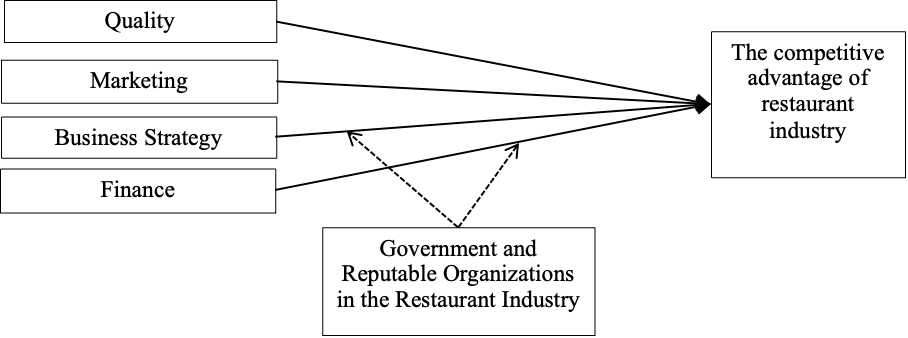
Figure 4. Factors of the competitive advantage in the Ho Chi Minh City’s restaurant industry
Previous theories on competitive advantage have been divided into two main trends. Firstly, external factors influencing competitive advantage included the five competitive forces model (Porter, 1985). Secondly, internal factors comprised the RBV theory (Barney, 1991, 1995), and the Thompson & Strickland competition theory (Osman, 2001). These theories provided a solid foundation for studies on the competitive advantage. However, they still lack flexibility in combining internal and external factors, especially in the service sector.
In the restaurant industry, particularly in Ho Chi Minh City amidst accelerated integration and development, there are still limited studies on the competitive advantage of this industry. Meanwhile, previous studies worldwide have only analyzed factors affecting competitive advantage individually, such as: optimizing resource management systems, digital transformation in marketing activities, enhancing customer experience, organizational culture, and business strategy innovation. However, the service industry, such as restaurants, requires a seamless integration of both internal and external factors.
Therefore, the research model above demonstrates a new approach, considering both internal and external factors when assessing the competitive advantage. In addition to internal factors such as quality, marketing activities, business strategy, and finance, the external factor of government support and reputable organizations in the restaurant industry plays a positive regulatory role in the relationship between business strategy, finance, and the restaurant's competitive advantage.
Furthermore, within the business strategy group, authors discovered a new factor impacting the competitive advantage: the young population. A young population is considered a key element in building a competitive business strategy. People in this demographic group are young, healthy, and dynamic, and tend to participate in more social activities, including dining experiences at restaurants. Moreover, young people tend to use social media more than older age groups, creating opportunities for online image promotion. A country with a young population has a significant advantage in competing and developing the restaurant industry. In addition, a young population provides a rich workforce for restaurants.
Another finding in the business strategy group for the Ho Chi Minh City market, compared to other regions, is the integration of cultural factors into business strategy. Culture has a profound influence on the competitive advantage of the restaurant industry in Vietnam. Everyday life and culture have shaped the culinary traditions of different regions. When customers enjoy dishes, they also want to experience the culture behind those dishes. This cultural element contributes to the differentiation of the dining experience for tourists, creating a lasting impression. Restaurants that incorporate cultural elements into their dishes gain a competitive advantage. This is a new finding in this study, something not previously addressed in other studies.
5. Conclusion and recommendations
5.1. Conclusion
In this study, authors identify five groups of factors influencing the competitive advantage of the Vietnamese restaurant industry in the era of accelerated integration and development.
Quality group
Quality is a factor that improves the customer experience and brings long-term benefits. Products and services are the top priority when discussing any restaurant. Human resources and human resource policies have a significant impact on the competitive advantage of each restaurant. Facilities are the next factor identified as affecting the industry's capabilities. Style and spatial design are also equally important in attracting customers.
Marketing Group
Marketing is currently the leading tool to promote the popularity of restaurants among customers. To develop effective marketing plans, it is necessary to improve market research capabilities to achieve competitive advantages. Brand reflects the level of credibility of all fields in general and of the restaurant industry in particular. Price is a decisive factor in customers' choices when choosing dining services at restaurants at this time. A prime location directly impacts a restaurant's competitive advantage. Customer experience provides a significant competitive advantage for the restaurant industry in Ho Chi Minh City. Leveraging the growing trend of online food ordering opens up many new competitive opportunities for the restaurant industry.
Business strategy group
Business strategy ensures that restaurants operate and develop in the right direction. A young population is considered a crucial factor in choosing business locations and developing restaurants. Culture has a profound influence on the competitive advantage of the restaurant industry. Relationships with partners play a vital role in developing and maintaining the quality of a restaurant.
Two new factors have been identified influencing the competitive advantage of Ho Chi Minh City's restaurant industry during the period of accelerated integration and development: Cultural elements in the dishes sold in restaurants and a young population create a competitive advantage in the restaurant business.
Cultural aspects reflected in food contribute to enhancing the competitive advantage of the restaurant industry. Culture from the daily life of each region has been integrated into cuisine. From ordinary family meals, restaurants have incorporated them into their menus for business. Vietnam has this factor influencing the competitive advantage, although it is not highly rated, but it does reflect the unique characteristics of Vietnam. This is because Vietnam is a country with many different cultural characteristics in each region. Each region has its own unique cultural characteristics. This diversity creates a diverse culinary scene, and the integration of culture into dishes provides customers with a more unique and memorable experience. This attracts customers to experience Vietnamese cuisine and positively impacts the competitive advantage.
Furthermore, areas with young populations are ideal choices for restaurant businesses. This demographic is characterized by dynamism, a love of exploring new things, and a tendency to enjoy going out to eat and socialize with friends. Moreover, social media allows young people to share their fun moments, contributing to the promotion of restaurants. Vietnam, with its young population, has a significant competitive advantage in terms of human resources for the restaurant business.
Financial group
Capital enables restaurants to confidently invest in innovative business models to meet market demands and maintain operations during difficult times. Cost control and profit optimization contribute to operational efficiency.
Group of government support and reputable organizations in the restaurant industry
In addition, this study also points out the need for government support in terms of planning and comprehensive development policies for the restaurant industry, and the need for more associations or official organizations to inspect the professional operations of restaurants, helping restaurant businesses to be more stable in terms of financial capacity and implement effective business strategies.
5.2. Other recommendations
As research on the restaurant sector in Ho Chi Minh City remains limited, there is a lack of comparable reference materials for benchmarking. Therefore, future studies should address the following:
First, the geographical focus on Ho Chi Minh City limits the generalizability of findings to second-tier cities or rural tourism markets in Vietnam. Future research should expand its scope to include such areas.
Second, reliance on expert interviews may introduce self-reporting bias and lacks quantitative validation. Future studies should validate the conceptual framework using structural equation modeling (PLS-SEM or CB-SEM) based on large-scale empirical surveys of restaurant businesses.
Third, research should consider not only the perspectives of managers but also those of customers. This would provide a multidimensional view of competitive advantage in the restaurant industry and help managers accurately understand market demands, while also allowing for a comparison between manager-reported competitive advantages and actual consumer perceptions.
Fourth, to achieve greater specificity and depth, the scope regarding restaurant types should be narrowed to allow for a thorough analysis of the factors influencing competitive advantage within this sector. Firstly, incorporate survey methods to ensure greater data objectivity.
Funding Acknowledgment
This research was funded by the Ho Chi Minh City University of Technology and Engineering
Data Availability
Data available in appendices or manuscript.
AI Usage Statement
The authors declare no generative AI tools were used in research or writing.