Article content
1. Introduction
Research on job performance has attracted considerable scholarly attention, leading to a significant increase in the number of publications on this topic. This growing interest comes from the recognition that human resources represent a critical intangible asset, playing a central role in achieving organizational goals (Ali et al., 2020). Job performance is closely linked to corporate social responsibility activities, as employees is the core of any organization and are deeply influenced by CSR initiatives. Furthermore, CSR is not merely an ethical or social obligation but an integral part of a company’s overall strategy, contributing to the development of a sustainable corporate culture and the enhancement of internal value (Čič & Mladič, 2021).
In today’s context, CSR initiatives have become a widely acknowledged mechanism for meeting the expectations and satisfaction of key stakeholders, including shareholders, customers, and employees (Ali et al., 2020). When organizations actively engage in CSR practices, employees tend to develop more positive attitudes and perceptions toward their companies and their work (Castro-González et al., 2023; Gullifor et al., 2023; Maminiaina et al., 2024; Wang et al., 2024) Given this growing academic and practical relevance, exploring the role of CSR in influencing job performance has become increasingly necessary and promising for future research (Maneethai et al., 2024).
The purpose of this section is to synthesize, analyze, and compare previous studies on the impact of CSR on job performance, thereby shedding light on the following research questions:
RQ1: What is the intellectual structure of the relationship between CSR and job performance, based on bibliometric analysis of publication trends, journal networks, countries, keywords, and contributing authors?
RQ2: What research methodologies have been most commonly employed in studies examining the relationship between CSR and job performance?
RQ3: What mechanisms of CSR’s influence on job performance have been identified in previous research?
RQ4: How have the moderating variables related to the CSR–job performance relationship been investigated and reported in prior studies?
RQ5: What research gaps remain to be explored through future empirical investigations in this field?
2. Review Method
To build a systematic and comprehensive overview of the impact of CSR on job performance, the authors employed a two-tier analysis, which includes bibliometric and content analysis methods. Content analysis complements the quality of the research, as bibliometric indicators alone are insufficient for evaluation (Aktoprak & Hursen, 2022; Jiddi & Ibenrissoul, 2020). The combination of both qualitative and quantitative approaches in the review provides an extensive intellectual structure for the research field (Bhatt et al., 2020). Specifically, the bibliometric method uses statistical approaches to analyze document information such as authors, keywords, and references, offering an overview of past and present developments and predicting future trends of research topics (De Bakker et al., 2005; Nicolaisen, 2010). Meanwhile, content analysis is a qualitative method used by researchers to gain an in-depth understanding of the research topic, uncover latent characteristics, and draw accurate and reliable conclusions (Bhatt et al., 2020; Cheng et al., 2018).
The scientific bibliometric method is considered an essential and indispensable approach when initiating a literature review, as it provides comprehensive insights into the research field (Ellegaard, 2018). Its main advantage lies in identifying the most influential articles and objectively mapping the research domain, thereby minimizing potential biases in the overview of the study topic (Zupic & Čater, 2015). In this study, the bibliometric method was used to compile and interpret research on CSR and job performance conducted between 2014 and 2024, while potential future research streams were identified based on content analysis of newly selected articles (Hasan et al., 2024). The bibliometric method was carried out in the following steps. First, the study identified the database sources to retrieve keywords relevant to the topic. Both Web of Science (WoS) and Scopus cover a large number of scientific fields, albeit with some overlap. However, WoS focuses strongly on natural sciences and engineering, while Scopus excels in social sciences (Kumpulainen & Seppänen, 2022; Mongeon & Paul-Hus, 2016) and offers a rich collection of data on authors, institutions, and countries (Zhang & Eichmann-Kalwara, 2019). Therefore, Scopus was chosen as the database source for the bibliometric method. Next, the topic filter for searching titles, keywords, and abstracts was queried on December 22, 2024, as follows: TITLE-ABS-KEY ("Corporate Social Responsibility" OR "CSR") AND ("Work Performance" OR "Job performance" OR "Job Performance" OR "Individual Performance").
The retrieved data were processed according to the steps shown in Figure 1, as proposed in the study by (Khanra et al., 2021). Initially, a total of 140 articles were collected. These articles were then further filtered based on the criterion of selecting only English-language journal articles published in reputable journals, as they are likely to meet certain quality standards (Yassin & Beckmann, 2024), thereby enhancing the reliability of knowledge obtained from the bibliometric analysis (Khanra et al., 2021; Xu et al., 2018). At this stage, 132 articles were chosen, after excluding 8 articles. Subsequently, content analysis of these articles was conducted by examining their titles, abstracts, conclusion, limitations. All articles containing content relevant to the CSR–job performance relationship were retained. The final dataset consisted of 58 articles, which were used for the bibliometric analysis.
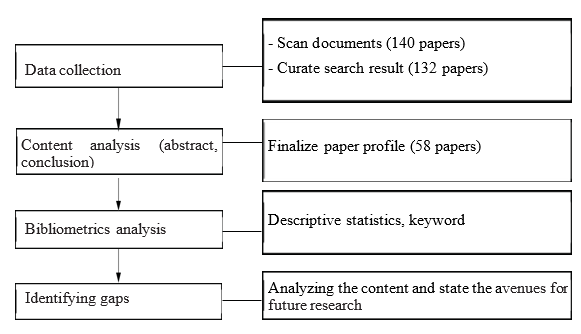
Figure 1. Steps for Article Selection and Bibliometric Analysis
In the next step of the bibliometric analysis, the authors conducted an analysis of the most commonly used bibliometric indicators (Khan et al., 2020) with the support of VOSviewer 1.6.20. This reliable tool is designed to analyze bibliographic data and visually present the results through modern and optimized options (Van Eck & Waltman, 2014). The scientific bibliometric indicators presented below provide an overview of the CSR–job performance topic over the past ten years.
3. Summary of review and discussion
3.1. Evolution of the research
The analysis of the distribution of the number of articles by year in Figure 2 shows a significant growth in research on the impact of CSR on job performance during this period. Notably, from 2014 to 2017, publications on this topic were very scarce, with only one article in 2018. This indicates that the importance of CSR for job performance had not received much attention. In the following period, the number of publications increased sharply, reaching a peak of 12 articles in 2023, and then slightly declined in 2024. Overall, the chart illustrates that the rising number of studies on this topic in recent years reflects the growing recognition of CSR’s influence on job performance.
The number of articles published per year is presented in Figure 2 below.
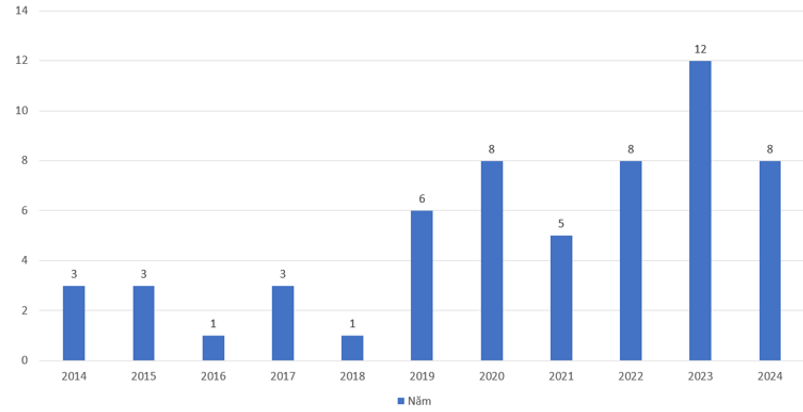
Figure 2. Number of published articles per year during the period 2014–2024
3.2 Geographical distribution of selected publications
Research on the relationship between CSR and job performance has been conducted in various countries across different continents. Among them, the leading countries in terms of research volume include the United States, South Korea, China, and the United Kingdom. European countries with relatively large research contributions include Portugal, Greece, and Italy. In addition, in Asia, three other prominent countries with a considerable number of studies are India, Pakistan, and Vietnam.
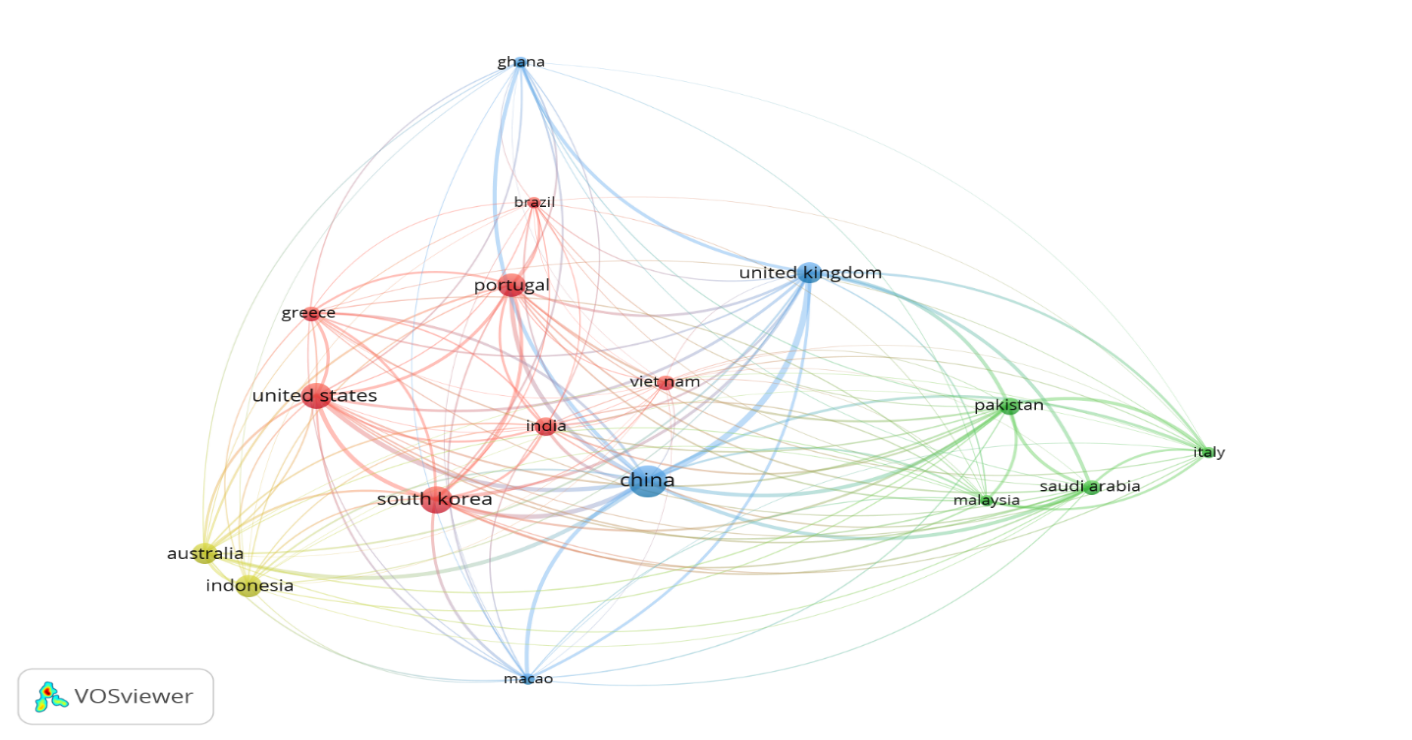
Figure 3. Map of countries studying the relationship between CSR and job performance
3.3. The topic distribution for journals.
A total of 58 articles were published in 44 different journals, with a total of 2,144 citations. Figure 4 presents the top 10 journals with the highest number of publications, ranked as Q1 and Q2 by the Scimago organization, accounting for approximately 46% of all publications. Among them, the two most influential journals are Sustainability (7 articles with 211 citations) and Corporate Social Responsibility and Environmental Management (4 articles with 132 citations).
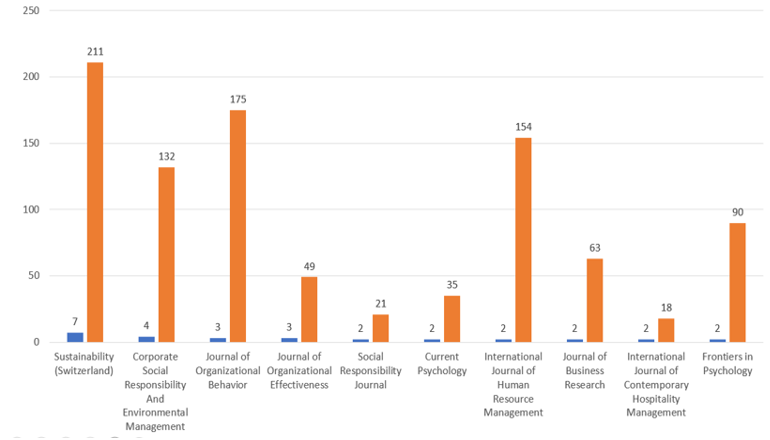
Figure 4. Number of articles and citations in the top 10 journals with the highest number of publications
3.4. Authors with the Most Publications and Most Cited Articles
Table 1 shows that there are 16 authors who have contributed two or more articles, among whom Hur Won-Moo stands out. Although these authors have made significant contributions, they are not necessarily the most influential ones. Table 2, which presents the 10 most cited articles, provides initial insights into the key themes in research on the relationship between CSR and job performance. As of the data collection time, the study by Korschun et al. (2014) had received the highest number of citations (334), examining the influence of CSR on job performance through organizational identification, employee–customer identification, and customer orientation. Other studies explored the direct relationship between CSR and job performance (Manzoor et al., 2019; Story & Neves, 2015) or introduced various mediating variables such as organizational commitment (Kim et al., 2017; Vlachos et al., 2014), organizational citizenship behavior (Kim et al., 2017), person–organization fit (Donia et al., 2019), organizational identification (Shin et al., 2016; Wang et al., 2017), employee costs (Sun & Yu, 2015), and particularly the moderating variable of moral identity (Wang et al., 2017).
Table 1. The most productive authors
Authors | Number of publications (n>2) | Number of citations | Total link strength |
"asante boadi, evans" | 2 | 71 | 6 |
"boadi, eric kofi" | 2 | 71 | 6 |
"bosompem, josephine" | 2 | 71 | 6 |
"he, zheng" | 2 | 71 | 6 |
"hermana, deni" | 2 | 12 | 6 |
"kisahwan, daniel" | 2 | 12 | 6 |
"ramdhan, rudy m." | 2 | 12 | 6 |
"winarno, alex" | 2 | 12 | 6 |
"hur, won-moo" | 3 | 113 | 3 |
"moon, tae-won" | 2 | 35 | 3 |
"choi, wook-hee" | 2 | 36 | 2 |
"dekoulou, paraskevi" | 2 | 35 | 2 |
"trivellas, panagiotis" | 2 | 35 | 2 |
"castanheira, filipa" | 2 | 71 | 0 |
"nurunnabi, mohammad" | 2 | 120 | 0 |
"bui, nhat vuong" | 2 | 2 | 0 |
Table 2. Articles and authors with the highest number of citations
Ranking | The most citing articles | Source Title | FWCI | Best Quartile | The number of citations |
1 | (Korschun et al., 2014) | Journal of Marketing | 11.37 | Q1 | 334 |
2 | (Story & Neves, 2015) | Business Ethics | 7.08 | Q1 | 186 |
3 | (Kim et al., 2017) | International Journal of Hospitality Management | 5.61 | Q1 | 157 |
4 | (Vlachos et al., 2014) | Journal of Organizational Behavior | 2.21 | Q1 | 154 |
5 | (Newman et al., 2015)
| International Journal of Human Resource Management | 2.34 | Q1 | 114 |
6 | (Manzoor et al., 2019) | Sustainability (Switzerland) | 4.77 | Q2 | 96 |
7 | (Donia et al., 2019) | Journal of Business Ethics | 6.90 | Q1 | 90 |
8 | (Wang et al., 2017) | Frontiers in Psychology | 2.36 | Q2 | 87 |
9 | (Shin et al., 2016) | Sustainability (Switzerland) | 2.58 | Q2 | 78 |
10 | (Sun & Yu, 2015) | Review of Accounting and Finance | 0.95 | Q1 | 72 |
3.5. Methodologie used
In the field of research on CSR and job performance, the predominant research methods tend to follow a quantitative approach. Through content analysis, among a total of 58 studies, 54 employed quantitative methods — of which 37 used cross-sectional surveys with data collected solely from employees, 1 used managerial data, and the remaining 16 utilized multi-source data. Quantitative studies in this field have mostly focused on structural equation modeling (SEM) over the past five years, followed by regression models and factor analysis. Notably, only one study used a mixed-methods approach (both qualitative and quantitative), one applied meta-analysis, and two employed other analytical methods, indicating a clear methodological bias in this research area. This trend reflects the strong growth of empirical studies on CSR and job performance, with a dominance of predictive-level articles.
3.6. Key word analysis
The keywords and journal indexes used by the authors in their articles provide an initial understanding of the research topics within the existing literature (Khanra et al., 2021). Initially, with the minimum keyword occurrence set at five, as suggested by (Van Eck & Waltman, 2014), only seven keywords met the criteria. Subsequently, the threshold was reduced to two in order to explore the range of keywords appearing in studies related to the topic, resulting in 28 keywords reaching the threshold. Next, irrelevant keywords such as employee and customer orientation were removed, as they were not directly related to the research topic or questions. Duplicate or synonymous keywords were also standardized, for instance, internal CSR and CSR were unified under Corporate Social Responsibility, in-role performance, performance, and job performance were replaced by job performance, while affective commitment was replaced by organizational commitment. Finally, VOSviewer identified 17 strongly linked keywords as shown below.
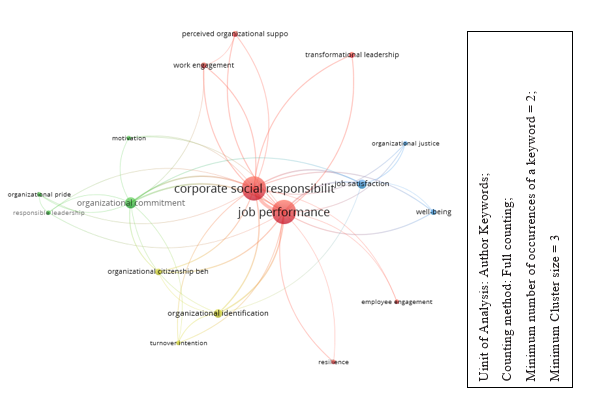
Figure 5. The visualized diagram of author keywords
The results of the keyword analysis are evaluated based on the size of the circles, the number of clusters, and the distance between keywords (Low & Siegel, 2020). Figure 5 shows that the red cluster dominates (7 keywords) and has the largest size, including “social responsibility,” “job performance,” “employee engagement,” “perceived organizational support,” “resilience,” “transformational leadership,” and “work engagement.” The red cluster represents the most extensively explored research theme, referring to the role of leadership and employee and work engagement.
The green cluster includes “work motivation,” “organizational commitment,” “organizational pride,” and “ethical leadership,” focusing on responsible leadership as well as employee motivation and organizational commitment. The blue cluster is composed of the keywords “job satisfaction,” “organizational justice,” and “employee well-being,” which primarily explore fairness within organizations and employees’ satisfaction and happiness. The final cluster, shown in yellow, contains “organizational citizenship behavior,” “organizational identification,” and “turnover intention.” The keywords in this cluster highlight topics related to how employees identify with their organization, exhibit voluntary behaviors beneficial to the organization, and their intention to leave.
Each circle represents a subfield within the broader research area of CSR and job performance. The links connecting the circles indicate the degree of association between keywords, based on their distance and the thickness of the links. The keywords “corporate social responsibility” and “employee performance” are found to have the highest level of association across all clusters, as they are positioned centrally in the analysis and have the largest circle sizes.
A strong relationship is observed between “CSR–job performance” and keywords such as “organizational commitment,” “job satisfaction,” “organizational identification,” and “organizational citizenship behavior.” A weaker relationship is noted for the keyword “resilience,” which is represented by the greatest distance between the two keywords and smaller circle size. The results presented in Figure 5 indicate that “organizational commitment” is the keyword most closely associated with the CSR–job performance relationship, while “employee well-being” and “perceived organizational support” show moderate connections.
3.7. The Impact Mechanisms of CSR on Job performance
There are 54 detailed studies on the mechanisms underlying the relationship between CSR and job performance. Among them, Yu et al. (2022) found that corporate philanthropy exhibits an S-shaped relationship with job performance, indicating instability and inconsistency. In contrast, several other studies confirm a direct positive effect of CSR on job performance (Aftab et al., 2022; Almeida & Coelho, 2019; Asante Boadi et al., 2020; Chaudhary, 2020; Hongdao et al., 2019; Jnaneswar & Ranjit, 2020; Manzoor et al., 2019; Rinawiyanti et al., 2021; Santhose & Anisha, 2023; J. Story & Neves, 2015; Sun & Yu, 2015; Yang & Kim, 2018). Notably, internal CSR has been found to increase the number of tasks completed and reduce the number of complaints but simultaneously lower work quality (Lin-Hi et al., 2022). Furthermore, some evidence suggests that CSR activities (toward community, environment, employees, customers, and government) have no significant impact on employee performance (Newman et al., 2015). The researchers have not reached a consensus on the mechanism through which CSR influences job performance due to several reasons, such as cross-country differences in culture and development levels (Maneethai et al., 2024); variations across industries and national contexts (Bizri et al., 2021; Jermsittiparsert et al., 2021; Silva et al., 2023; Castro-González et al., 2023); the use of different CSR measurement scales (Kim et al., 2017; Edwards & Kudret, 2017); and the diverse combinations of mediators and moderators employed in different models (Fang et al., 2021; Bui et al., 2022; Silva et al., 2023).
The mediating mechanisms between CSR and job performance include the following variables: employee well-being (Maminiaina et al., 2024), employee resilience (Hur & Moon, 2024); organization-based self-esteem, perceived obligation, and Experienced meaningfulness (Huang et al., 2024); perceived organizational support (Wang et al., 2024); Psychological Needs Fulfillment (Guo et al., 2024); organizational identification (Alnehabi & Al-Mekhlafi, 2023; Guo et al., 2024); work engagement (Abdurachman et al., 2023; Bizri et al., 2021; Junça Silva & Costa, 2024; Ramdhan et al., 2022); perceived external prestige (Lee et al., 2023); organizational pride(Castro-González et al., 2023); psychological empowerment (Dekoulou et al., 2023); organizational commitment (Bizri et al., 2021; Bui et al., 2022; Gaudencio et al., 2014; Story & Castanheira, 2019; Vlachos et al., 2014); job satisfaction (Abdurachman et al., 2023; Shin et al., 2016; Syaifuddin et al., 2023); perceived meaningfulness (Cao et al., 2022); job burnout (Ramdhan et al., 2022); employee-customer identification (Korschun et al., 2014; Yu et al., 2022); Industrial Relations Climate and psychological contract fulfillment (Fang et al., 2021), perceived organizational justice (Chen & Khuangga, 2021), job proactivity (Hur et al., 2021), business ethical values (Trivellas et al., 2019; Jermsittiparsert et al., 2021), job pursuit intention and quality of work-life (Tarigan et al. (2021), employee engagement (Ali et al., 2020; Park, 2020), person–organization fit and job-related attitudes (Donia et al., 2019), organizational citizenship behavior (Gullifor et al., 2023; Trivellas et al., 2019; Kim et al., 2017), quality of work-life (Kim et al., 2017), organizational pride (Edwards & Kudret, 2017), satisfaction with management and creative behavior (Gaudencio et al., 2014), customer orientation (Korschun et al., 2014) and CSR-related work performance (Korschun et al., 2014). See Figure 6. These mediating mechanisms are central because they explain how and why CSR translates into higher job performance. For example, CSR enhances employees’ psychological states such as well-being, resilience, and psychological needs fulfillment, which strengthen their internal resources and capacity to perform.
3.8. Moderating factors
Figure 6 illustrates the types of moderating variables used in studies on the relationship between CSR and job performance, including: collectivism (Wang et al., 2024); psychological capital (Junça Silva & Costa, 2024); National development and cultural type (Maneethai et al., 2024); customer incivility and coworker incivility (Choi et al., 2023); Employee Well-being Attribution, Industry HR Attribution, and Employee Exploitation HR Attribution (Lee et al., 2023); responsible leadership style (Castro-González et al., 2023); CEO’s humble leadership (Cao et al., 2022); PRESOR importance (Lin-Hi et al., 2022); organizational reputation (Bui et al., 2022), type of employment (Yu et al. (2022), employees’ belief in the importance of organizational justice (Chen & Khuangga, 2021), perceived organizational support (Hur et al., 2021), company size (Rinawiyanti et al., 2021), autonomous motivation and controlled motivation (Asante Boadi et al. (2020), perceived importance of CSR and gender (Chaudhary, 2020), intrinsic and extrinsic motivation (Asante Boadi et al., 2019), authentic leadership and meaningful work (Yang & Kim, 2018); moral identity (Wang et al., 2017), directive leadership style and Manager’s Involvement in Implementing Deliberate CSR Strategy (Vlachos et al., 2014).
Overall, the mechanisms of influence involving both mediating and moderating variables in the CSR–employee performance relationship across studies from 2014 to 2024 are summarized in the diagram below.
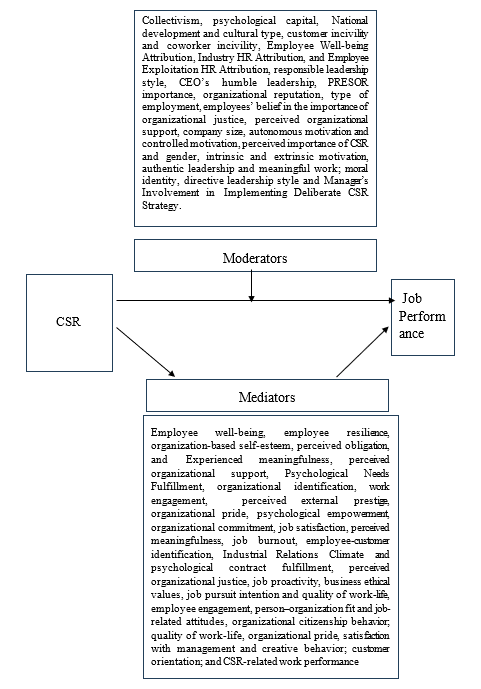
Figure 6. Diagram of variables used in quantitative studies
4. Future research direction
Through the integration of bibliometric and content analyses, this study outlines diverse and comprehensive suggestions for future research.
Table 3. Future research questions
| Research stream | Future research questions
| References |
| Contextual and Cross-Cultural Expansion | 1. How does the CSR–job performance relationship vary across different countries, cultures, and industries? 2. To what extent do organizational types (public, private, non-profit, SMEs) influence the effects of CSR on employee performance?
| Maminiaina et al. (2024); Guo et al. (2024); Junça Silva & Costa (2024); Aftab et al. (2022) |
| Research Design and Methodology Enhancement | 3. How can longitudinal and mixed-method studies clarify the causal mechanisms between CSR and job performance? 4. Would multi-source and multi-stage data collection (e.g., supervisor evaluations, official performance records) improve research validity and reduce self-report bias? | Hur & Moon (2024); Huang et al. (2024); Wang et al. (2024); Gullifor et al. (2023); Castro-González et al. (2023)
|
| Mediating and Moderating Mechanisms | 5. What are other mediators that play in linking CSR to employee performance? 6. How do moderating variables such as leadership style, organizational culture, or perceived organizational support shape the CSR–performance relationship?
| Huang et al. (2024); Wang et al. (2024); Thuy & Lan (2024)
|
| Theoretical Framework and Mechanism Exploration | 7. How can alternative theories such as Self-Determination Theory, Cue Consistency Theory, or Stakeholder Theory explain the mechanisms connecting CSR and job performance? 8. What psychological processes drive employees to perform better when perceiving their company as socially responsible? | Wang et al. (2024); Choi et al. (2023) |
| CSR Dimensions and Stakeholder Scope | 9. How do different types or dimensions of CSR (economic, legal, ethical, philanthropic, internal vs. external CSR) uniquely affect employee outcomes? 10. What are the long-term and cross-stakeholder impacts of CSR initiatives on both internal (employees) and external (customers, community, government) stakeholders?
| Maneethai et al. (2024); Bui et al. (2022) |
Building on the current literature, several promising avenues emerge for future research on the CSR–job performance relationship. First, future studies should investigate how this relationship differs across countries, cultures, and industries, as well as among various organizational types such as public, private, non-profit, and small- to medium-sized enterprises (Maminiaina et al., 2024; Guo et al., 2024; Junça Silva & Costa, 2024; Aftab et al., 2022). Longitudinal and mixed-method approaches are also recommended to establish causal mechanisms more rigorously, while multi-source and multi-stage data collection (supervisor evaluations and official performance records) could enhance validity and reduce self-report bias (Hur & Moon, 2024; Huang et al., 2024; Wang et al., 2024; Gullifor et al., 2023; Castro-González et al., 2023). In addition, scholars are encouraged to explore potential mediating mechanisms and moderating variables (leadership style, organizational culture, and perceived organizational support) that may shape how CSR influences employee performance (Huang et al., 2024; Wang et al., 2024; Thuy & Lan, 2024). Future research could also draw on alternative theoretical perspectives such as Self-Determination Theory, Cue Consistency Theory, and Stakeholder Theory to broaden understanding of the psychological processes that motivate employees to perform better when perceiving their firms as socially responsible (Wang et al., 2024; Choi et al., 2023). Finally, further investigation is needed into the distinct impacts of CSR dimensions (economic, legal, ethical, philanthropic) and internal versus external CSR as well as their long-term and cross-stakeholder effects on both internal and external stakeholders (Maneethai et al., 2024; Bui et al., 2022).
5. Conclusions and Limitations
This paper provides a comprehensive overview of academic research on the CSR–job performance relationship by conducting a bibliometric review of 58 studies published between 2014 and 2024. To examine this body of literature, we employ bibliometric citation analysis, keyword analysis, and content analysis techniques.
Regarding RQ1, the findings from Figure 2 to 5 reveal a clear upward trend in research on the relationship between CSR and job performance, especially after 2018. Studies have been conducted across multiple continents, with the United States, South Korea, China, and the United Kingdom leading in publication volume. Europe and Asia also show strong engagement, particularly from Portugal, Greece, Italy, India, Pakistan, and Vietnam. A total of 58 articles appeared in 44 journals, with nearly half published in high-ranking outlets. The increasing publication volume and citation counts indicate growing academic recognition of CSR’s impact on job performance. Overall, the intellectual structure of this research field reflects a global and multidisciplinary effort focusing on CSR’s influence through various organizational and behavioral factors.
Regarding RQ2, most studies on the relationship between CSR and job performance have adopted quantitative research methods. The majority used cross-sectional surveys and structural equation modeling, while very few employed mixed methods or meta-analysis. This indicates a strong methodological bias toward empirical, data-driven approaches in the field.
For RQ3 and 4. This study has identified multiple mechanisms explaining how CSR influences job performance, with most studies confirming a positive direct relationship. The mediating factors commonly include organizational identification, job satisfaction, work engagement, and organizational commitment, highlighting the psychological and emotional connection between employees and their organizations. Other mediators such as perceived organizational support, meaningfulness, and employee well-being also play critical roles in translating CSR initiatives into improved job outcomes. In addition, moderating variables such as leadership style, cultural context, psychological capital, and perceived organizational justice significantly shape the strength of this relationship. The findings indicate that both internal psychological processes and contextual factors determine the extent to which CSR enhances job performance. (See Figure 6).
Regarding RQ5, Table 3 shows some implications for the future research. Future studies should explore how the CSR–job performance relationship varies across different countries, industries, and organizational types using longitudinal and mixed-method approaches for stronger causal evidence. Scholars are also encouraged to investigate new mediating and moderating variables, such as leadership style and organizational support, to clarify the mechanisms underlying this relationship. Additionally, future studies should examine the distinct effects of different CSR dimensions and their long-term impacts on both internal and external stakeholders.
This study makes several important theoretical and practical contributions. It provides the most comprehensive bibliometric overview to date of CSR–job performance research from 2014 to 2024, mapping its global and multidisciplinary development. The study also identifies a dominant reliance on quantitative methods, revealing a methodological bias and suggesting the need for more longitudinal and mixed-method approaches to strengthen causal understanding. Moreover, it clarifies key mediating and moderating mechanisms such as organizational identification, organizational commiment, and cultural context that explain how CSR enhances employee performance. By integrating psychological and contextual perspectives, the research advances theoretical understanding of how CSR operates within organizations. Practically, it offers valuable implications for managers and policymakers to design and implement CSR initiatives that simultaneously improve employee outcomes and organizational effectiveness.
This study has some limitations. The data from 2014–2024 may not cover the full scope of CSR–job performance research, and only the Scopus database was used, excluding other sources. Future studies should use multiple databases for broader coverage. Additionally, the heavy reliance on quantitative methods highlights a methodological gap; adopting mixed-method approaches that combine bibliometric and systematic literature analyses or meta-analysis could better capture the causal effects of CSR on job performance over time.